

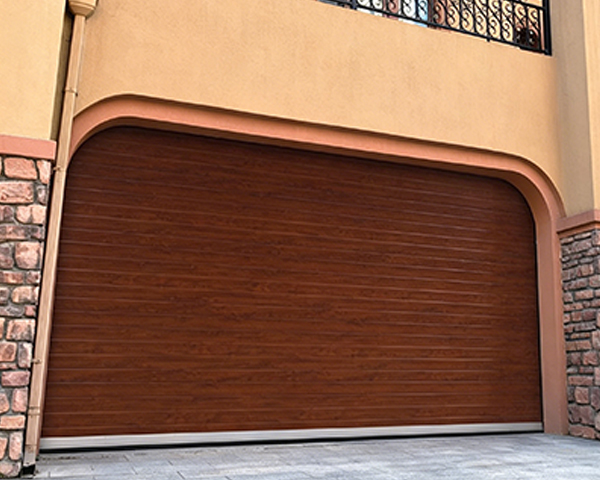
A High Performance Flexible Gate for High Traffic Areas is a durable, impact-resistant, and easy-to-operate access control solution designed for environments with frequent movement of people, carts, pallets, equipment, and vehicles. These gates are widely used in industrial facilities, warehouses, logistics centers, factories, commercial buildings, parking zones, service corridors, and public access points where safety, speed, visibility, and reliability are essential.
Unlike rigid gate systems, a flexible gate is engineered to absorb accidental contact, reduce breakage, and maintain functional performance under heavy use. For high traffic areas, the gate must support continuous opening and closing cycles, minimize downtime, and provide a secure barrier without slowing down workflow. This makes the high performance flexible gate an increasingly important component in modern facility management, access control, and safety planning.
This article provides a clear, SEO-friendly overview of what a high performance flexible gate is, how it works, where it is used, key advantages, common specifications, material options, installation considerations, and selection factors. The content is designed for direct use in a blog post, category page, industry page, or product information page.
A high performance flexible gate is a gate system made from materials and structural components that allow the gate to flex, bend, or absorb impact without permanent damage. The gate may return to its original position after contact, depending on the design. It is typically used in high traffic areas where accidental bumps, repeated use, and constant movement are expected.
The term high performance refers to several important factors: long service life, resistance to wear, stable operation under frequent cycles, strong recovery after impact, and consistent safety performance. The term flexible usually refers to the gate’s ability to deform slightly under pressure instead of breaking, cracking, or causing severe damage to surrounding equipment or structures.
In practical terms, a flexible gate helps facilities balance two needs:
High traffic areas present a unique challenge. Conventional gates may be too rigid, too fragile, or too slow for busy environments. Repeated impact, crowd flow, and equipment movement can quickly cause damage, create safety hazards, or interrupt operations. A high performance flexible gate solves many of these issues by combining resilience with practical functionality.
Common challenges in high traffic areas include:
A flexible gate is designed to reduce these problems by offering impact tolerance, smoother operation, and a more forgiving barrier system that can handle operational stress better than many traditional gate types.
The best flexible gate systems for high traffic areas usually include a combination of durability, safety, and ease of use. The exact design may vary, but the most effective models often share the following features.
| Feature | Description | Benefit in High Traffic Areas |
|---|---|---|
| Impact Resistance | Gate can absorb contact without immediate failure | Reduces damage from accidental bumps and collisions |
| Flexible Structure | Material or frame can bend or move under pressure | Improves safety and helps the gate recover after impact |
| High Cycle Performance | Designed for repeated opening and closing | Supports busy workflows and continuous use |
| Corrosion Resistance | Suitable coatings or materials for harsh environments | Extends service life in indoor or outdoor applications |
| Low Maintenance | Simple design with fewer wear-prone parts | Reduces operating costs and service interruptions |
| Visibility | Often includes bright colors, markings, or open-frame design | Improves awareness and helps reduce accidents |
| Safety Compliance Potential | Can be designed to support facility safety standards | Helps align with workplace safety requirements |
A high performance flexible gate can be used in many types of facilities. The main requirement is high-frequency movement combined with the need for controlled access and safety. Typical applications include the following.
| Application Area | Typical Use | Why Flexible Gates Work Well |
|---|---|---|
| Warehouses | Separating walkways, loading areas, and storage zones | Handles forklift traffic and frequent passage |
| Logistics Centers | Managing fast-moving material flow and safety zones | Supports continuous operation and impact tolerance |
| Factories | Creating controlled access between workstations | Resists repeated contact in industrial environments |
| Commercial Buildings | Guiding public movement and restricted access areas | Offers reliable separation with a clean appearance |
| Parking Facilities | Controlling vehicle and pedestrian movement | Can withstand frequent opening and accidental contact |
| Retail Backrooms | Separating customer and staff areas | Useful in narrow spaces with constant cart movement |
| Cold Storage | Maintaining traffic control in temperature-sensitive zones | Durable in demanding operational conditions |
| Public Facilities | Managing crowd flow and protected access | Balances safety, visibility, and convenience |
Choosing a high performance flexible gate for high traffic areas offers several operational and safety advantages. These benefits are especially valuable in environments where downtime is costly and daily movement is intense.
One of the strongest benefits of a flexible gate is its ability to absorb accidental contact. In busy environments, collisions are often unavoidable. A flexible design reduces the chance of immediate failure, helping the gate remain functional after minor impacts.
Because the gate is designed to flex rather than break, it can reduce frequent repairs and replacement costs. A well-engineered gate system can support long-term use with minimal maintenance, which is a major advantage for large facilities.
A flexible gate can reduce the severity of impact during unplanned contact. This is valuable in pedestrian zones, equipment corridors, and hybrid work environments where people and machines move through the same space.
In high traffic areas, access control should not slow down operations. Flexible gates are often easier to integrate into daily routines because they are practical, easy to open, and suitable for frequent use.
A durable gate system can provide better return on investment by reducing replacement frequency, maintenance labor, and operational disruptions. Over time, the flexibility and resilience of the gate can translate into significant savings.
Flexible gate systems can be adapted to many widths, heights, environments, and access needs. This makes them suitable for a wide range of industrial and commercial use cases.
Materials play a major role in the performance of a high performance flexible gate. The ideal material depends on traffic level, exposure conditions, required strength, and safety expectations. Many gate systems combine several materials to balance flexibility, durability, and visibility.
| Material | Typical Properties | Common Use Case |
|---|---|---|
| Polymer / Plastic Composite | Lightweight, flexible, corrosion-resistant | Indoor and medium-duty traffic zones |
| Reinforced Rubber | High elasticity, excellent shock absorption | Impact-prone environments and safety barriers |
| Steel Frame with Flexible Panels | Strong structural support with controlled flexibility | Heavy-duty industrial access points |
| Aluminum Alloy | Lightweight, corrosion-resistant, stable | Areas requiring lower weight and clean appearance |
| Reinforced PVC | Economical, flexible, easy to clean | Commercial and light industrial areas |
| Hybrid Material Systems | Combines rigidity and flexibility for better performance | High traffic areas with mixed operational demands |
When selecting a high performance flexible gate for high traffic areas, the specifications should match the environment and usage intensity. A good gate is not simply “strong”; it must be suitable for the exact operational conditions.
| Specification | What to Evaluate | Why It Matters |
|---|---|---|
| Gate Width | Clear opening needed for pedestrians, carts, or vehicles | Ensures proper access and safe passage |
| Gate Height | Required level of separation or protection | Helps control entry and improve visibility |
| Cycle Rating | Expected number of open/close operations | Indicates suitability for high traffic use |
| Impact Recovery | Ability to return to normal shape or position | Important for reducing downtime after contact |
| Operating Temperature | Range of temperatures the gate can handle | Critical for indoor, outdoor, and cold storage use |
| Installation Method | Wall-mounted, floor-mounted, or frame-supported | Affects stability and ease of deployment |
| Surface Finish | Coating, texture, or protective layer | Improves durability and appearance |
| Visibility Features | Color contrast, reflective strips, warning markings | Reduces accidents in active traffic zones |
| Maintenance Access | Ease of inspection, cleaning, and part replacement | Supports long-term operational efficiency |
Not all flexible gates perform equally. In high traffic areas, quality depends on structural design, material behavior, and installation standards. The following performance factors are especially important.
High traffic environments place continuous stress on gate components. A high performance flexible gate should maintain its function through repeated cycles without loosening, warping, or degrading prematurely.
A flexible gate must bend or move when needed, but it should not remain permanently deformed after normal use. Controlled deformation and recovery are important signs of a well-designed system.
Gates used in warehouses, outdoor passages, or cold storage areas may face moisture, dust, temperature variation, or chemical exposure. Material selection and protective finishes are crucial for reliable performance.
For high traffic areas, the gate should open, close, or reset smoothly and predictably. Poor movement can create bottlenecks and increase accident risk.
Even though the gate is flexible, it must still provide stable guidance and barrier function. The overall frame, anchoring, and support structure should be designed to handle daily load.
The ideal gate design depends on the traffic pattern, space limitations, and safety objectives. In high traffic areas, design details can significantly affect usability and performance.
The best design is often the one that balances flexibility with barrier integrity. In other words, the gate should be forgiving enough to handle impact but strong enough to continue doing its job.
Proper installation is essential for any flexible gate system. Even the best material can underperform if installed incorrectly. In high traffic areas, installation must account for alignment, load, movement patterns, and available space.
| Installation Factor | What to Check | Effect on Performance |
|---|---|---|
| Mounting Surface | Strength and flatness of wall or floor | Supports stable and safe operation |
| Traffic Direction | How people or equipment approach the gate | Helps reduce accidental collisions |
| Clearance Space | Room for gate movement and user passage | Prevents interference and wear |
| Anchoring System | Fasteners, brackets, or support structure | Improves reliability and impact resistance |
| Safety Markings | Signage, color coding, or reflective elements | Improves visibility and awareness |
| Usage Frequency | Expected daily operation count | Guides material and design choice |
In busy facilities, a professional installation approach is often recommended to ensure that the gate performs as intended from the first day of use.
Although a high performance flexible gate is typically designed for low maintenance, routine care is still important. Basic inspection and cleaning help extend service life and maintain safe performance in high traffic areas.
Preventive maintenance is especially useful in environments with heavy equipment or continuous flow, because small issues can become major problems if ignored.
Choosing the right high performance flexible gate depends on the application, traffic intensity, and safety requirements. The following questions can help guide the decision.
The answer to these questions helps determine the ideal material, dimensions, mounting system, and performance level. A gate designed for a quiet office corridor will not be suitable for a busy loading dock. Likewise, a lightweight gate may not be appropriate for a severe industrial environment.
For content strategy and page optimization, the topic of high performance flexible gate for high traffic areas naturally connects to several related keyword themes. These terms can help improve topical relevance when used in a natural, informative way.
| Primary Keyword Theme | Related Supporting Terms | Search Intent |
|---|---|---|
| High performance flexible gate | durable gate, impact-resistant gate, flexible barrier | Product and solution research |
| High traffic areas | busy facilities, frequent use zones, heavy movement areas | Application and environment context |
| Industrial gate solution | warehouse gate, factory gate, logistics gate | Industry-specific comparison |
| Safety and access control | traffic separation, pedestrian safety, controlled entry | Safety-driven search intent |
| Low maintenance gate system | long service life, reduced repair needs, durable design | Operational efficiency intent |
Using these terms naturally throughout the page can improve topical depth and help search engines understand the content focus. However, keyword usage should always remain readable, useful, and human-friendly.
When writing about flexible gates for high traffic areas, several benefits are commonly emphasized because they matter to buyers, facility managers, and safety teams.
These points are often used in industry pages because they address the most common concerns of users searching for a gate solution in a high traffic setting.
The following table provides a general example of how a high performance flexible gate specification section might appear on a product or industry page. These values are illustrative and can be adjusted based on actual project requirements.
| Specification Item | General Range / Option | Notes |
|---|---|---|
| Gate Type | Flexible swing gate / barrier gate / safety gate | Choose based on access pattern |
| Usage Environment | Indoor, outdoor, industrial, commercial | Material must match exposure conditions |
| Traffic Level | Medium to very high | Design should match cycle demands |
| Impact Recovery | Elastic recovery / controlled flex / partial return | Depends on material and structure |
| Frame Material | Polymer, steel, aluminum, composite | Selected for strength and durability |
| Color Options | High-visibility colors, custom colors, safety stripes | Improves visibility and branding |
| Mounting | Floor-mounted or wall-mounted | Depends on site layout |
| Maintenance Level | Low to moderate | Varies by material and usage intensity |
The phrase high performance flexible gate for high traffic areas is valuable for SEO because it contains clear commercial, industrial, and informational intent. It is a long-tail keyword that reflects a real-world need and can attract users searching for practical solutions, technical details, and application guidance.
Pages built around this topic can rank better when they include:
In addition, search engines tend to favor pages that are useful, comprehensive, and easy to scan. A well-organized article about flexible gates can support search visibility for a wide range of related queries, including industrial gate solutions, safety barriers, high traffic access control, and durable gate systems.
A High Performance Flexible Gate for High Traffic Areas is a practical, durable, and safety-focused solution for spaces with frequent movement and repeated use. Its ability to absorb impact, support continuous operation, and reduce maintenance makes it a strong choice for warehouses, factories, logistics centers, commercial buildings, and other busy environments.
When selecting a flexible gate, it is important to consider traffic type, cycle frequency, environmental exposure, material choice, mounting method, and visibility features. The right combination of design and specification can improve workflow, increase safety, and deliver long-term value.
For businesses and facilities that need a reliable access control solution in demanding conditions, the high performance flexible gate remains an efficient and versatile option. It offers a balance of strength, flexibility, and ease of use that is especially well suited to high traffic areas.
```
Produtos metálicos Co. de Shenyang Manlong, Ltd.


Copyright © 2026 Shenyang Manlong Metal Products Co., Ltd. Todos os direitos reservados Aplicativos
Este site usa cookies para garantir que você tenha a melhor experiência em nosso site.

 English
 Español
 Pусский
 Français
 Deutsch
 العربية
 ไทย
ไทย Türk dili
 Tiếng Việt



 Telefone
Comente
(0)